Environmental DNA (eDNA)

Share via email
Enrol now
oData.show: [object Object]

Duration

  • 4 days

Calendar

Commitment

  • 32 hours

Prerequisites

  • No

Delivery mode

  • Face-to-face

Location

  • Face-to-face (Macquarie University)

Fees

  • $2,970.00

Overview

About this Microcredential

Environmental DNA (eDNA) is transforming how scientists study and monitor the natural world. By detecting genetic material left behind by organisms in water, soil, air and other environmental samples, eDNA can reveal biodiversity at a remarkable scale – including rare, elusive and invasive species that may be difficult to detect using traditional survey methods. Ethical, scalable and cost-effective, eDNA approaches are increasingly used in conservation, biomonitoring, fisheries management, pathogen surveillance and ecological research.

The Environmental DNA microcredential will give you the knowledge and practical experience to understand and apply eDNA metabarcoding in real-world settings. You’ll learn from eDNA pioneers and experienced practitioners, and combine theoretical learning with hands-on activities and tutorials. You’ll also have opportunities to discuss your own projects, interests and challenges, connect with researchers and industry professionals, and develop the expertise to determine how eDNA approaches can best meet your needs.

Key features

Design rigorous eDNA studies

Build skills in experimental design, sampling strategies, primer selection and QA/QC for aquatic and terrestrial environments.

Gain hands-on sequencing experience

Prepare and sequence amplified DNA using Oxford Nanopore’s MinION platform, while gaining practical wet-lab experience.

Build practical bioinformatics skills

Process raw sequence data using OBITools and develop transferable skills you can apply confidently across other bioinformatics platforms.

Turn eDNA data into ecological insights
Gain experience analysing and visualising DNA-derived compositional data, and the skills to interpret results in an ecological context.


Who should attend

This microcredential is designed for professionals and researchers who want to develop or extend their skills in eDNA and metabarcoding, including environmental consultants, government scientists, industry professionals, NGO staff, conservation practitioners, fisheries and aquatic scientists, terrestrial ecologists and researchers. It’s also relevant to those who use, interpret or review studies involving eDNA-derived data.

Professions and employers

The theoretical knowledge and practical skills you develop in this microcredential will prepare you for a range of roles in ecology, conservation biology, biomonitoring and related fields.

Professions

  • Environmental consultants
  • Government scientists
  • NGO scientists
  • Conservation biologists practitioners
  • Fisheries and aquatic scientists
  • Terrestrial ecologists
  • Researchers in biomonitoring and assessment.

Employers

  • Government agencies
  • Environmental consultants
  • eDNA based startups
  • NGOs
  • Resource sector
  • Utilities sector
  • Academic research facilities

Prerequisites

No experience in sequencing, bioinformatics or R is required. If you’re new to Unix, you’ll have access to a free, easy-to-follow online course to get you up to speed. Practicals are completed in small groups, with guidance at every step from experienced educators in bioinformatics and data analysis.

Who you will learn from

Anthony Chariton
Professor Anthony Chariton
Founder of Macquarie’s Environmental e(DNA) and Biomonitoring Lab

Professor Anthony Chariton is an early pioneer of environmental DNA metabarcoding, with expertise in developing and applying ‘omic’ technologies to monitor freshwater and estuarine environments. His research spans aquatic and terrestrial biodiversity, including assessing the impacts of contaminants and understanding how climate change is altering whale diets. He provides high-level advice to agencies and organisations around the world and has received several awards, including the Mid-Career Prize from the Society of Environmental Toxicology and Chemistry.

Mike Bunce
Professor Mike Bunce
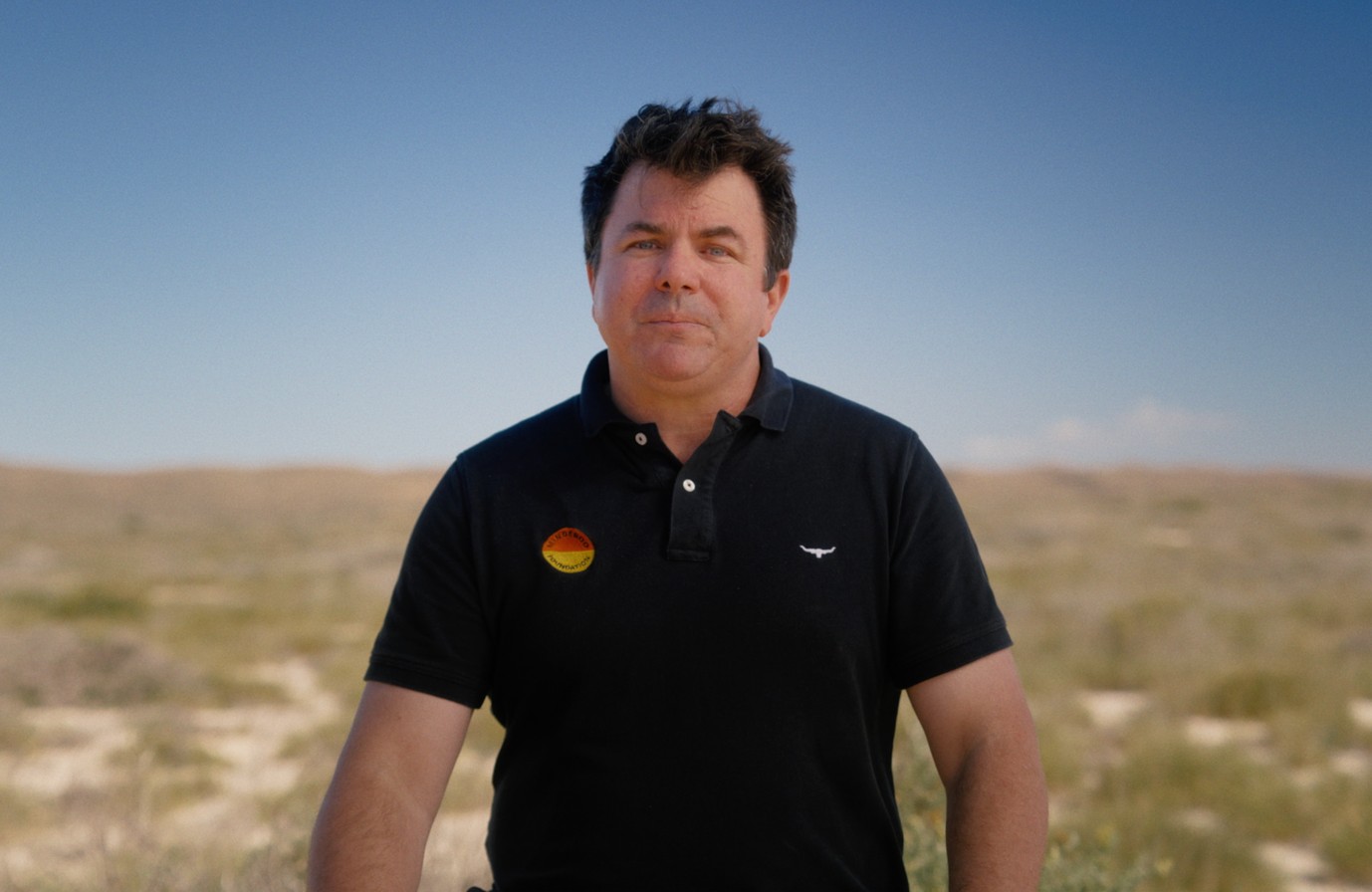
Director, OceanOmics and Ecosystem Intelligence, Minderoo Foundation

Professor Mike Bunce is a DNA scientist with more than two decades of experience in ancient and environmental DNA. He has worked at universities in Oxford, Canada and Australia, published more than 220 papers. In 2019, he took up a Chief Scientist role in New Zealand before contributing science advice and policy to the country’s COVID-19 response. At the Minderoo Foundation, his work advances the use of DNA tools to more effectively manage marine ecosystems.

Ask a question

If you’d like to know more about studying at Macquarie University, we’d love to hear from you.


Related microcredentials